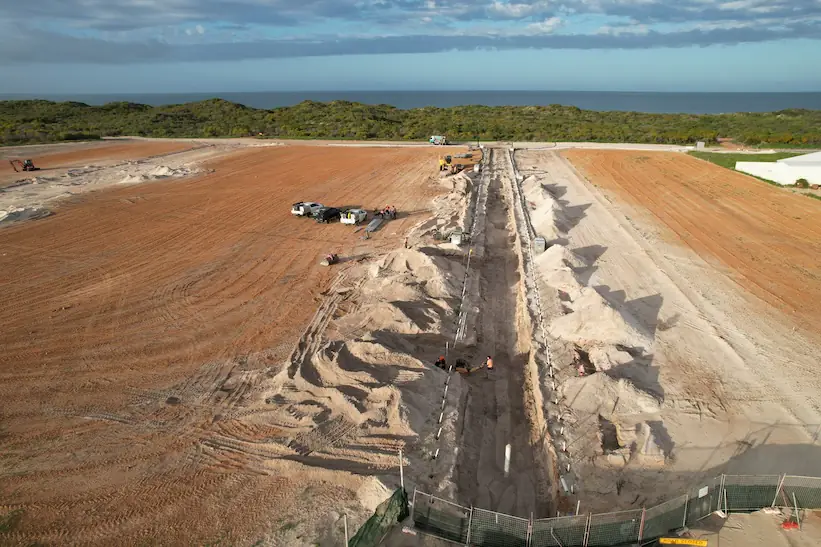
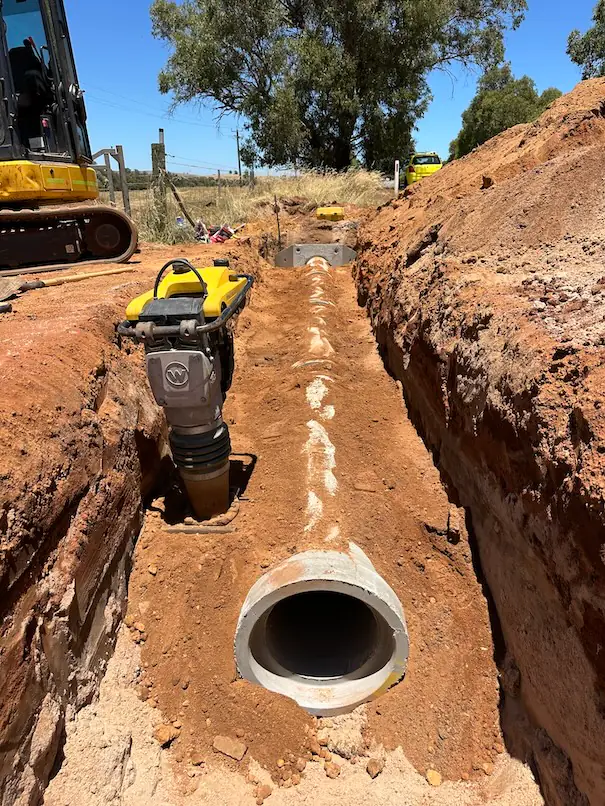
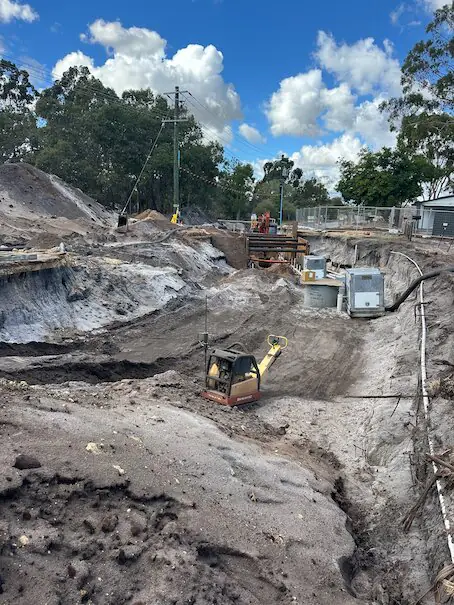
How USCM turns Safe Work Method Statements into daily controls for trench, plant and live-service work across Australia.
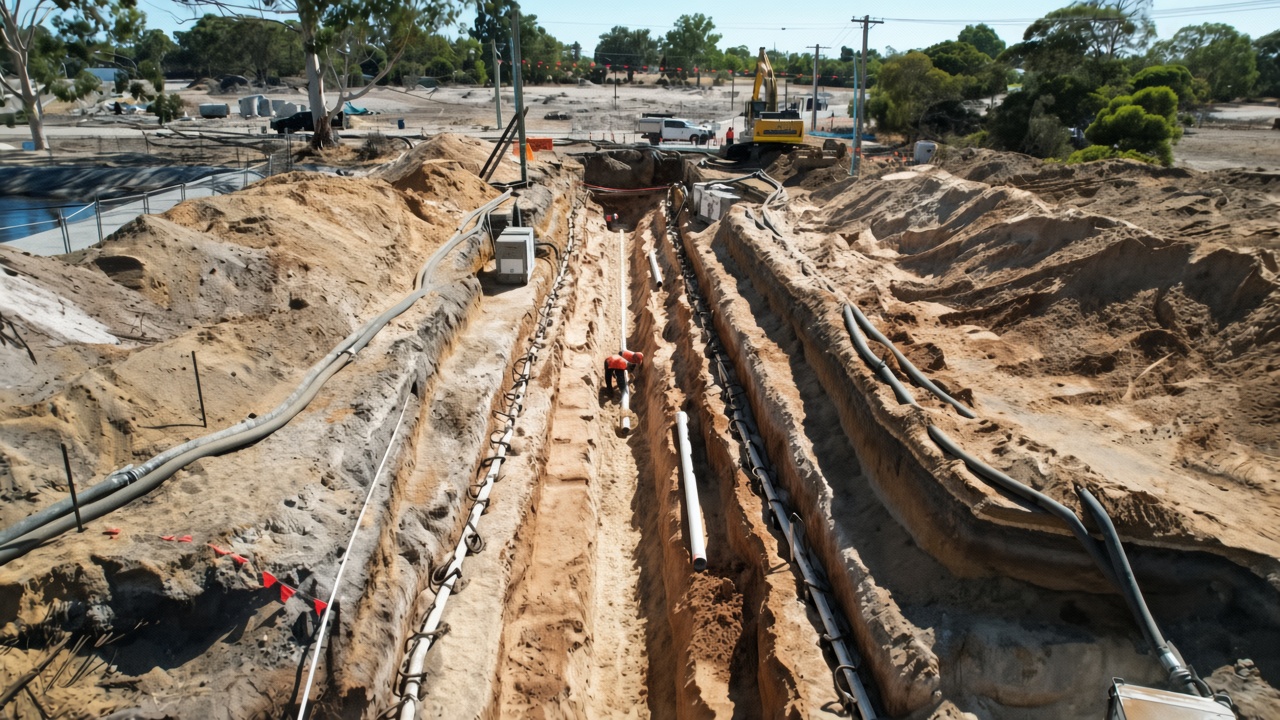
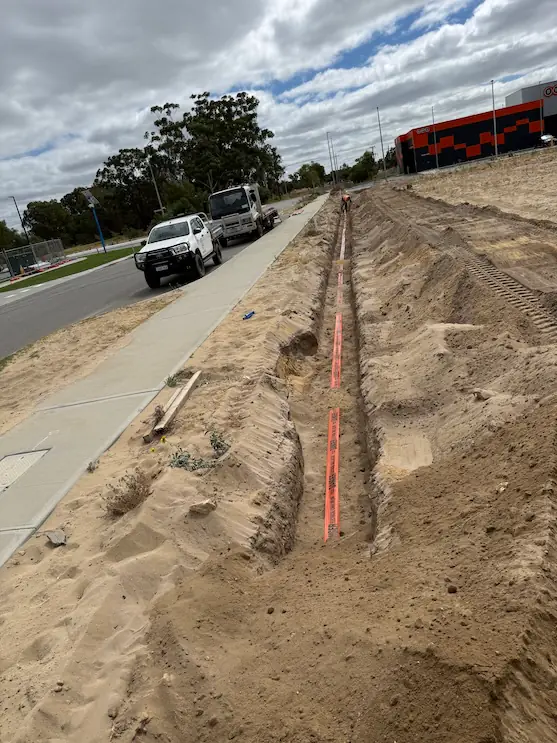
A Safe Work Method Statement only protects people if crews can use it. On civil packages — sewer, drainage, earthworks and roads — the risk sits in the trench, beside live services and around moving plant. A document that stays in the site office does not change that.
Written for the task, not the folder
USCM writes each SWMS around the job as it will actually be done. That means naming who is allowed in the exclusion zone, which machine is on the dig, how the ground is supported, and what changes if the soil, weather or services are not what the drawings showed. Spotters, potholing, shoring and isolation are part of the method, not optional extras added after an incident.
The language stays plain. Supervisors and operators need to brief it at a pre-start without translating it first. If a step cannot be explained in the trench, it does not belong in the SWMS.
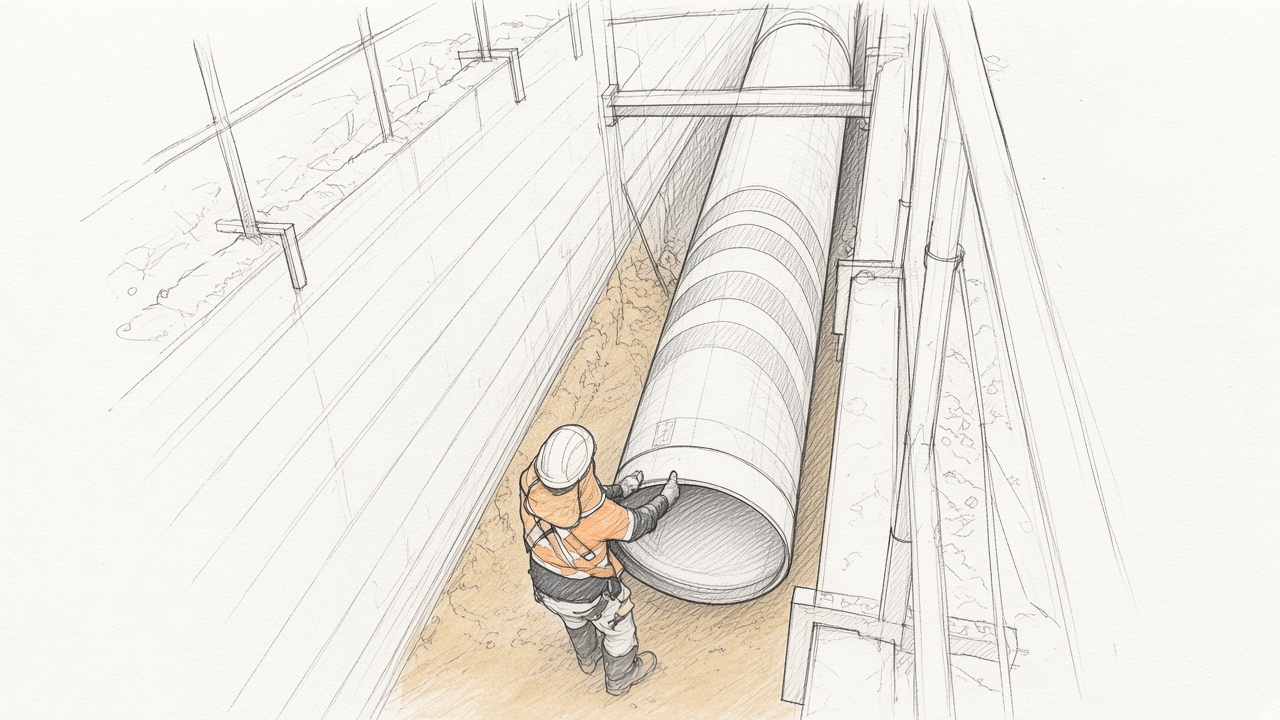
The same controls, every shift
Toolbox talks and pre-starts pull those controls into the day. Crews walk the exclusion zone, confirm tickets, and check that shoring, edge protection and service marks match the method before the machine starts. When a live cut-in, a deeper excavation or a new plant interface changes the plan, the SWMS is updated and re-briefed before work restarts.
That is the test we use: the paper and the ground should describe the same job. If they do not, work stops until they do.
What clients see
Audits, hold points and incident reviews all come back to the same record. A current SWMS, a brief that matches it, and a crew that can point to the control they are using. Wet ground, a deep trench or a live service is when that discipline matters. Safety is part of how the package is delivered, not a folder closed out at the end.
Back to blog